
[ad_1]
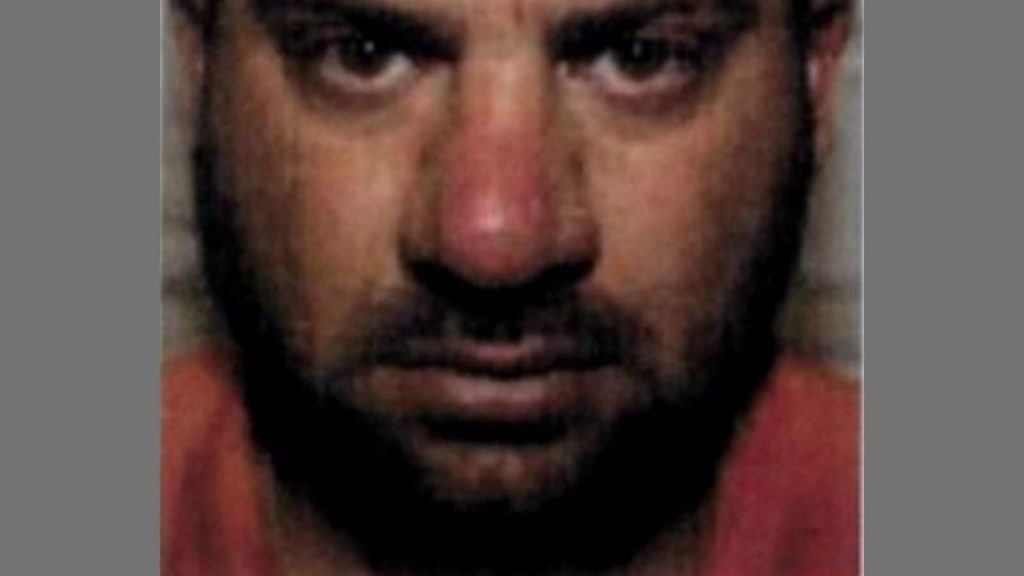
United States President Joe Biden on Thursday said the leader of the Islamic State group had been “taken off the battlefield” during a raid by US forces in Syria. ISIS leader Abu Ibrahim al-Hashimi al-Qurashi, also known as Amir Muhammad Sa’id Abd-al-Rahman al-Mawla or just al-Mawla, took over the “caliphate” in 2019 after the death of Abu Bakr al-Baghdadi, who named him the successor.
The meaning of the “caliph’s” name, the “emir of the believers”, may come across as philosophical but the head of the feared militant group, designated a terrorist organisation by the US, was responsible for executing its many-pronged operations during the Syrian crisis.
A man who worked his way up
The US had named a $10-million prize in exchange for information on al-Qurashi. He was killed in an airborne operation conducted by US special forces in northwest Syria, in which Kurdish forces also took part. His predecessor, al-Baghdadi was also killed in a similar raid in 2019. According to reports, Qurashi blew himself up killing members of his own family, including women and children.
When he first came to power, his name was the most discussed. According to a report by The Indian Express, the “al-Qurashi” in his name is the adjective indicating descendance from the Quraysh tribe of Prophet Muhammad. The report also states that his predecessor, al-Baghdadi, made the same claim.
Originally known as Abdullah Qardash or Hajji Abdullah within the organisation, there were already rumours around him being the successor to al-Baghdadi. US and Iraqi intelligence reports later confirmed Qardash, in fact, was al-Qurashi. His real name is Amir Muhammad Sa’id al-Salbi al-Mawla. Born in Mahlabiya, a sub-district of Mosul, Iraq, in 1976, Amir was the youngest of seven sons of an imam.
Known as a “low-profile” leader, practically nothing was known about him when he became the ISIS leader. Even counterterrorism experts were fumbling to gather information on him. Even the ISIS did not release too many details on their new leader in 2019. According to a report published by New/Lines Magazine, he was a leading figure among Iraqi jihadist groups over the past two decades and had fought against the US in the past. He was also a man who diligently worked his way up within the Islamic State group.
Known for its videos of beheadings and other forms of execution, the ISIS chose to keep an air of mystery around their new leader in the beginning. He reportedly went undercover in areas controlled by the Syrian Democratic Forces and was tasked with rebuilding the organisation. It was the same with al-Baghdadi, who when he took over was also unknown in terrorist circles. Experts believe that creating confusion gave the militant group an advantage over those hunting them.
Informant for the US?
Ironically, while there was initially nothing known about al-Mawla when he took over, there are many reports that suggest he was an informant while in captivity under the US military. According to a report published by The Washington Post and Business Insider, the ISIS leader ratted out terrorists to the US military when he was detained and interrogated by US and coalition forces over a decade ago. He provided intel on other terrorists during those interrogations in 2008.
Due to his time in detention and his record as an informant, the US was able to build a dossier on him. In fact, al-Mawla provided names of at least 88 people affiliated to the Islamic State in Iraq out of which ISIS grew. He was interrogated in three sessions and gave detailed descriptions of some of the names, according to confidential records of the Pentagon-funded Combating Terrorism Center at West Point, which is named as a source in the media report.
According to these records, the interrogators also called him “very cooperative and forthcoming”. They also noted that he would only give up information on rivals and foreign-born terrorists. They, however, did not know then that he would go on to lead the very organisation and its people against whom he provided information.
(With agency inputs)
Read all the Latest News, Breaking News and Coronavirus News here.
[ad_2]
Source link